
Heat-Signature Intelligence for Early Detection, Risk Reduction, and Asset Protection
Thermal inspections use infrared sensors to detect heat patterns and temperature anomalies that are invisible to the naked eye. By identifying abnormal heat signatures across assets, infrastructure, and land, organizations can uncover issues early, before they escalate into failures, downtime, or safety risks.
Skyline Drone Mapping (SDM) delivers enterprise-grade thermal inspections using calibrated thermal sensors, repeatable flight workflows, and strict quality control. Our thermal datasets provide actionable insight for condition monitoring, preventative maintenance, and situational awareness across a wide range of environments.

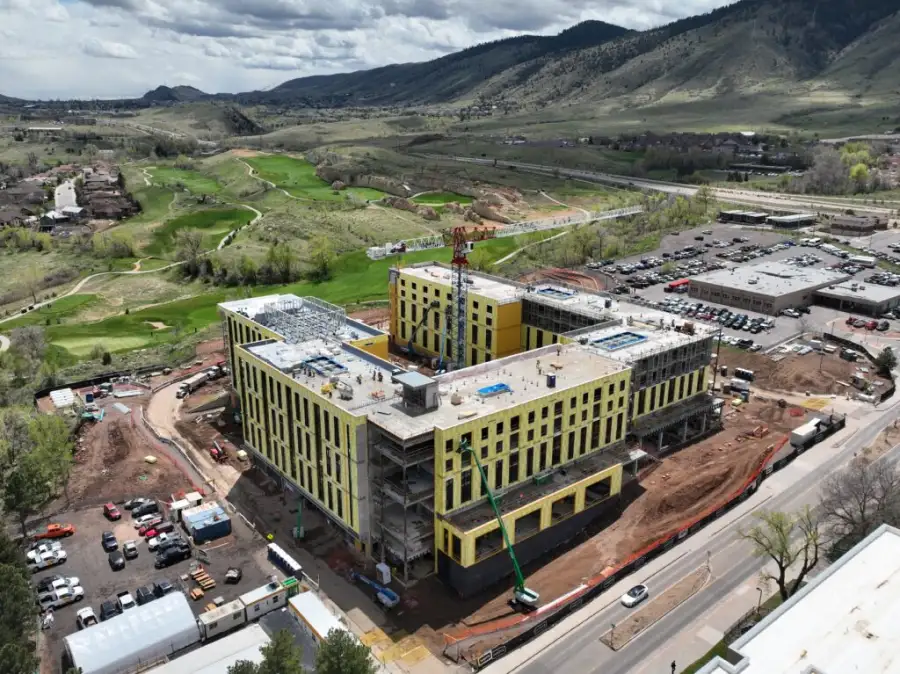
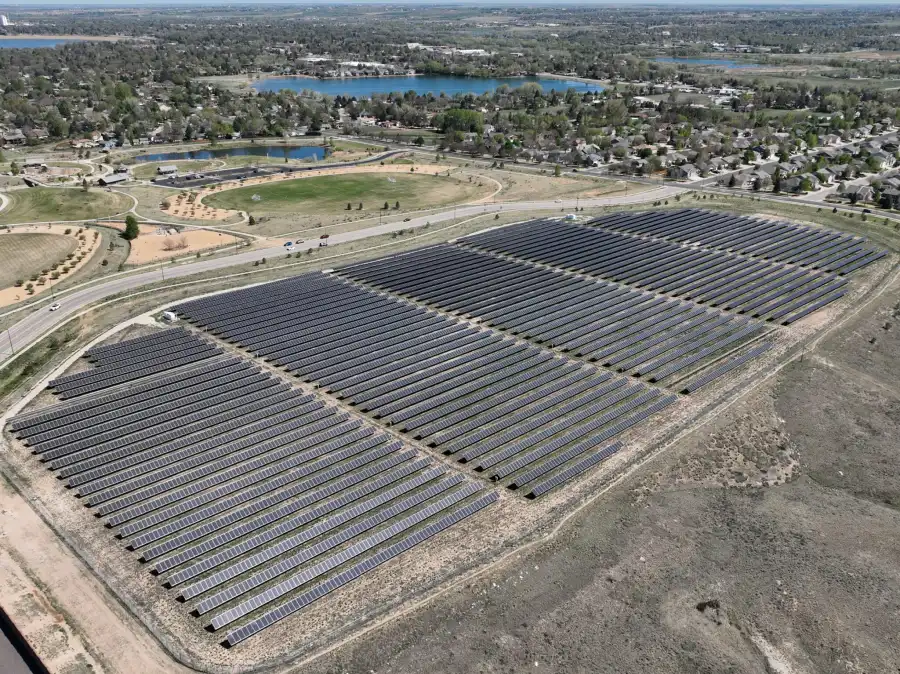
| Deliverable | Output Formats | Common Uses |
|---|---|---|
| Radiometric Thermal Imagery | JPG, TIFF | Anomaly detection & documentation |
| Annotated Thermal Findings | PDF, images | Maintenance planning |
| Visual + Thermal Overlays | Paired datasets | Contextual analysis |
| Condition Monitoring Reports | Asset health tracking | |
| Web-Based Viewer | Secure cloud link | Stakeholder review |

Thermal deliverables identify relative temperature differences and anomalies, not absolute failure conditions unless otherwise specified. Results must be interpreted within operational context and environmental conditions.
Thermal inspections are intended for condition monitoring, anomaly detection, and maintenance planning and do not replace licensed engineering evaluations unless explicitly coordinated.
Yes. Thermal inspections are often most effective when systems are under normal load.
They identify anomalies and patterns that indicate potential issues, which can then be investigated further.
Yes. Drones allow inspections to be performed without physical contact or proximity.
Yes. Visual and thermal datasets are commonly paired for contextual analysis.