
Heat is often the first sign that something is wrong. A loose connection runs hot. Wet insulation holds heat in odd spots. A pump bearing warms up before it fails. The trouble is that these spots are often high up, far out, or inside a running unit.
Skyline Drone Mapping flies radiometric thermal cameras over oil and gas assets. We record the heat pattern on your equipment so your team can find problems early and plan the fix. We are based in Corpus Christi and fly for refineries, plants, tank farms, compressor stations, and pipelines across the Coastal Bend and South Texas. Every flight is run by an FAA Part 107 pilot.
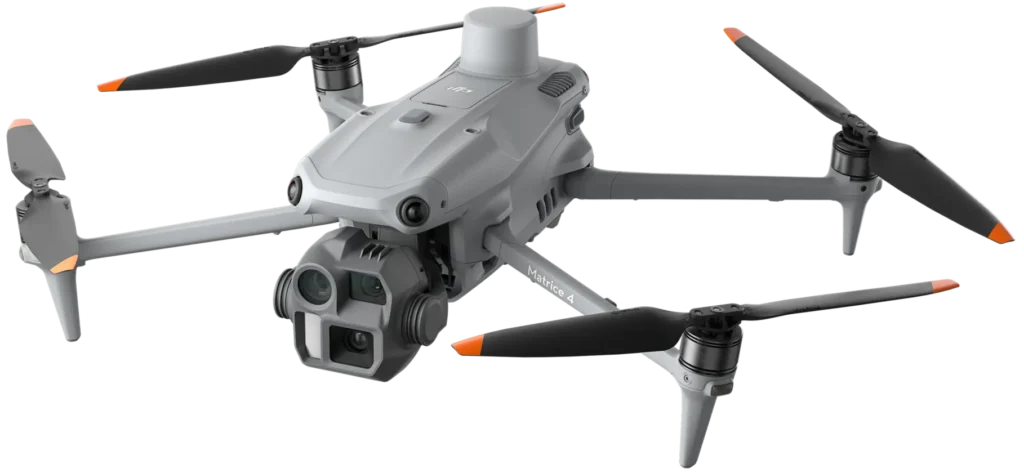


A standard thermal image shows colors. A radiometric image stores a temperature reading for every pixel. Your team can click any point and see the reading. That makes it easy to compare one part to the next, or this month to last month. It turns a picture into data.
Hot connections, breakers, and transformers are a common cause of outages and fires. Thermal images show the hot spot before it fails. We scan substations, switchgear yards, and power runs across the site.
Damaged or wet insulation lets heat escape. On a thermal image, those spots stand out from the rest of the line. That helps your team find heat loss and spots where corrosion can form under insulation.
We scan tank shells and roofs from above. Thermal patterns on the tank wall give your team a new view of what is going on inside and around the tank.
We record the heat pattern at the flare tip and along the stack. Your team can review flare conditions without a climb or a shutdown.
Bearings, belts, and motors heat up as they wear. Thermal scans help your maintenance team spot the problem and schedule the repair before a breakdown.
Thermal passes along a pipeline can show heat patterns at the surface and at aboveground equipment. Odd readings point your team to spots worth a closer look.
| Situation | How we help |
|---|---|
| Routine checks | A set schedule for tanks, flares, and electrical gear |
| Before a turnaround | Early scans of problem areas so the work list is ready |
| After a repair | Confirmation that the fix brought the heat back to normal |
| After a storm | Checks on electrical and mechanical gear after high wind or flooding |
| Planning for summer | Scans of electrical gear before peak heat and load |

We are a small team based in Corpus Christi. You talk to the people who fly your site. Both founders hold FAA Part 107 and Pix4D credentials. We carry Pix4D certifications across eight of its products. Simple jobs are often done in one to two days of work.
Hot electrical connections, damaged insulation, worn bearings, flare heat patterns, and heat patterns on tanks. Thermal scans show where heat is out of place so your team knows where to look.
They do different jobs. A handheld camera works well up close at ground level. A drone reaches high and hard-to-access spots and covers a large area fast. Many teams use both.
No. Thermal inspections work best while equipment is running and under load. That is when heat problems show up.
It depends on what you are checking. Sun can heat metal and hide problems. For some jobs we fly early in the day or at dusk. We plan the time when we scope the job.
Standard thermal cameras look for heat, not gas. For gas leaks we use optical gas imaging (OGI) and methane sensors. See our gas detection page for more.
Many teams scan electrical gear once or twice a year. Critical assets may need more. We can help you set a schedule.
Yes. We are based in Corpus Christi and fly across South Texas. Tell us where your site is and we will scope it.
Tell us which assets you need checked. We will scope the flight and show you what the thermal data looks like. Contact us today to learn more.